
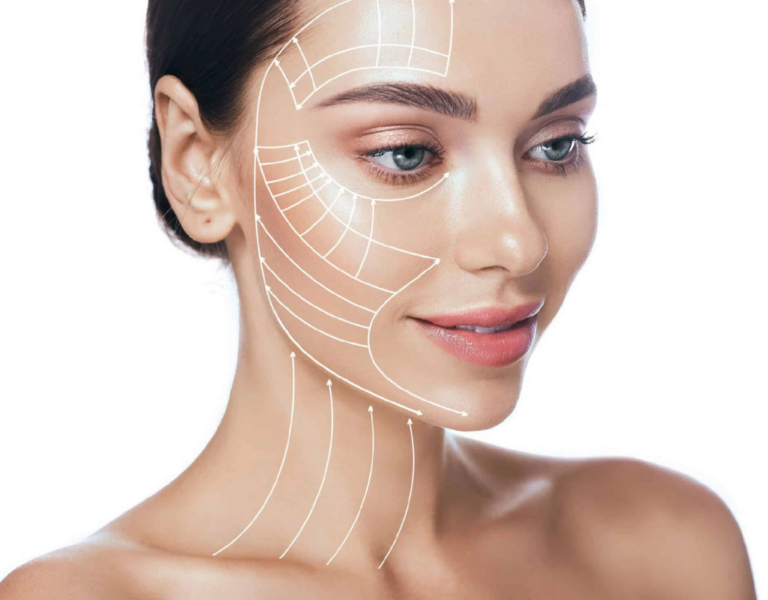
Individuals researching non-surgical options for skin laxity in Singapore tend to come across three names early on: Ultherapy PRIME, Thermage, and HIFU. The grouping is reasonable, since all three deliver controlled thermal energy to deeper tissue layers to support a collagen response. The differences between them, however, matter when determining which is appropriate for a given concern.
One distinction worth clarifying upfront: Ultherapy PRIME and Thermage are specific branded systems. HIFU, short for high-intensity focused ultrasound, describes a broader category of ultrasound devices produced by multiple manufacturers. Keeping that in mind makes the comparison easier to follow.
A Three-Way Comparison
On the surface, the three look similar. The distinctions show up in the detail.
1. Energy Type and Delivery Method
- Ultherapy PRIME treatment: micro-focused ultrasound, delivered with real-time imaging guidance
- Thermage FLX skin tightening: monopolar radiofrequency with volumetric heating across the treated area
- HIFU face treatment: focused ultrasound, delivered without live imaging guidance
2. Targeted Skin Depths
Ultherapy PRIME can reach the superficial skin layer at approximately 4.5mm depth, with shallower passes at 3.0mm and 1.5mm, depending on the treatment area. Thermage works differently: radiofrequency energy distributes heat across the dermal and upper subcutaneous layers rather than targeting a single focal point. HIFU sits closer to Ultherapy PRIME in principle, using focused ultrasound, though treatment depth varies by device and transducer, with most systems operating on preset depth settings.
3. Imaging and Targeting Accuracy
Of the three, only Ultherapy PRIME uses live ultrasound visualisation during treatment, allowing the doctor to see the targeted tissue layer in real time. On the other hand, Thermage and HIFU both operate on preset parameters, meaning depth and energy delivery are set in advance rather than confirmed visually during the session.
4. Sensory Experience During the Session
The three systems feel noticeably different during treatment. Ultherapy PRIME delivers brief, concentrated pulses of heat along each treatment line, while Thermage produces alternating sensations of heat and cooling across the treatment area. HIFU tends to produce tingling or warmth that is broadly similar in profile to Ultherapy PRIME, though intensity varies depending on the specific device and protocol used.
5. Session Frequency and Longevity
Ultherapy PRIME and Thermage are typically single-session treatments, with maintenance generally considered after 12 to 24 months depending on individual response. HIFU protocols differ: treatments are more commonly delivered as a series of sessions, with spacing guided by the specific device and manufacturer recommendations. How long results last varies across all three systems and is shaped by skin condition, lifestyle, and the area being treated.
6. Recovery Profile
All three are non-invasive, and most patients return to normal activities the same day. Mild redness, short-lived swelling, and some tenderness in the treated area are common in the hours following a session. These effects generally resolve on their own, though anything that feels disproportionate or prolonged should be reviewed with the treating doctor.
7. Cost Considerations
Ultherapy PRIME and Thermage typically carry a higher per-session cost than generic HIFU systems, reflecting branded device licensing, imaging hardware where applicable, and single-use treatment cartridges. HIFU’s lower per-session entry point can be offset by the number of sessions needed to achieve a comparable outcome, so cost is most usefully weighed alongside session frequency and expected longevity rather than as a standalone figure.
Determining the Appropriate Treatment Pathway Between Ultherapy PRIME vs Thermage vs HIFU
The three systems address overlapping concerns but suit different clinical situations. Understanding where each is more appropriate can help frame the conversation with a doctor, even if the final determination depends on individual assessment.
Factors for Considering Ultherapy PRIME
Patients who prioritise real-time imaging, treatment that can reach the superficial skin layer, and a streamlined single-session protocol may find Ultherapy PRIME face treatment a suitable starting point for that discussion.
Factors for Considering Thermage
For patients seeking broader volumetric tightening, treatment across larger body areas, or surface-level firming alongside structural support, Thermage FLX skin tightening may be worth considering as part of that conversation.
Factors for Considering HIFU
Patients who prefer a lower per-session entry point, are looking to maintain results at closer intervals, or want targeted application across specific face and body zones may find HIFU a practical option. As with the others, the appropriate device and protocol depend on what the assessment reveals.
Individual Factors That Influence Suitability
Beyond device characteristics, skin condition, degree of laxity, the anatomical area being treated, heat tolerance, and budget all play a role in shaping which approach is most appropriate. No device suits every patient, and a recommendation based solely on device reputation, rather than individual clinical need, is unlikely to serve the patient well. Possible side effects across all three systems should be discussed with a qualified doctor before proceeding.
What the Right Choice Actually Depends On
 A physical assessment by a qualified doctor is the necessary starting point. The right approach, whether a single system or a combination, depends on what that assessment finds. Results across all three are also supported over time by consistent skincare, sun protection, and stable general health.
On the question of which is better between Ultherapy PRIME and Thermage, or between HIFU and Thermage, there is no universal answer. The more useful question is which is better matched to a specific patient’s anatomy, skin condition, and goals.
Speak with our doctors at Om Aesthetics to determine which non-surgical skin-tightening approach is appropriate for your skin condition.